Service Details
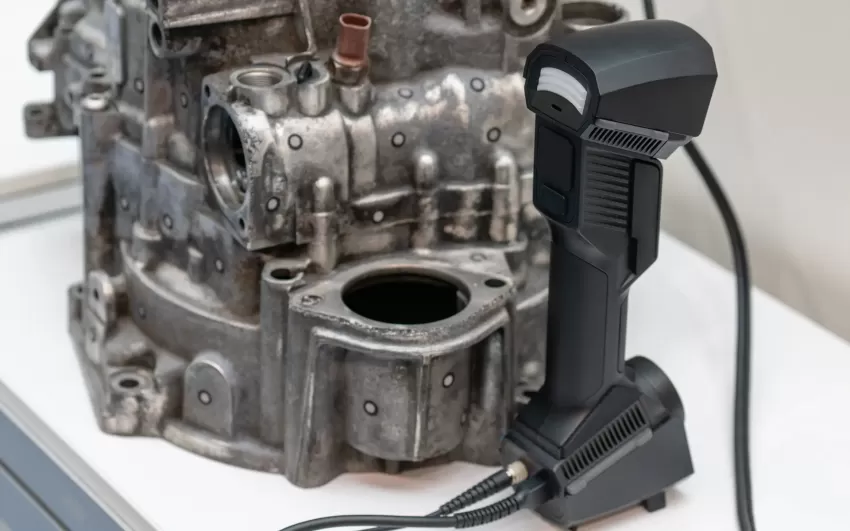
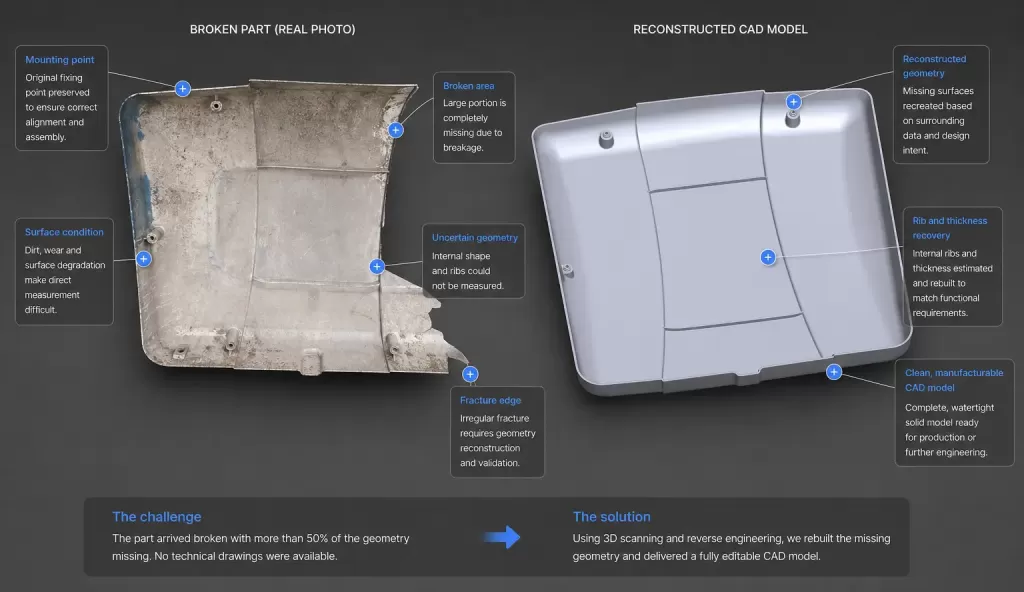
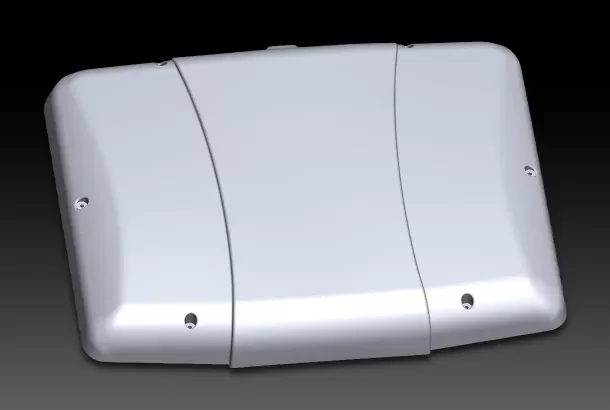
When a component needs to be redesigned without existing technical drawings, CAD reverse engineering provides a reliable solution. By converting 3D scan data into structured, editable CAD models, it becomes possible to recreate the original design intent and prepare the part for manufacturing or further development.
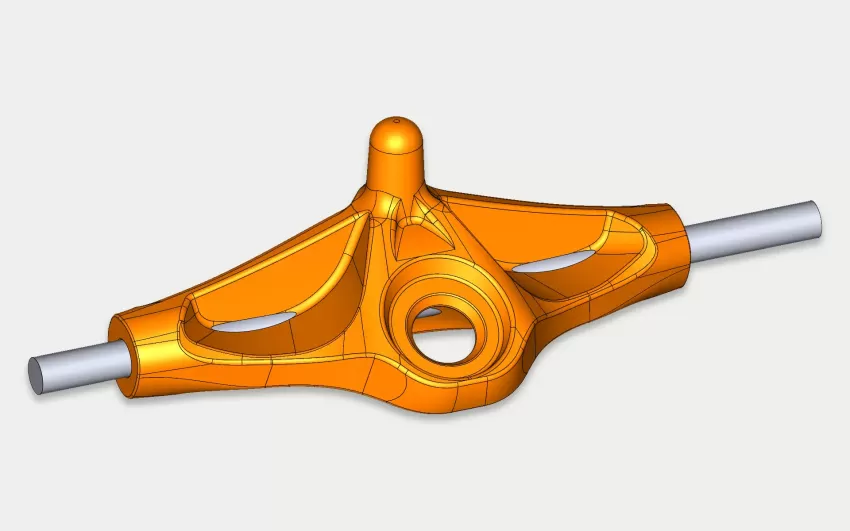
Our reverse engineering workflow focuses on transforming 3D scan data into accurate, fully editable CAD models, suitable for engineering, redesign, and manufacturing applications. Final CAD models are delivered in all major industry-standard formats, including STEP, IGES, Parasolid, ACIS, and native files, ensuring seamless compatibility with existing design, inspection, and production workflows.
From 3D Scan to Manufacturing
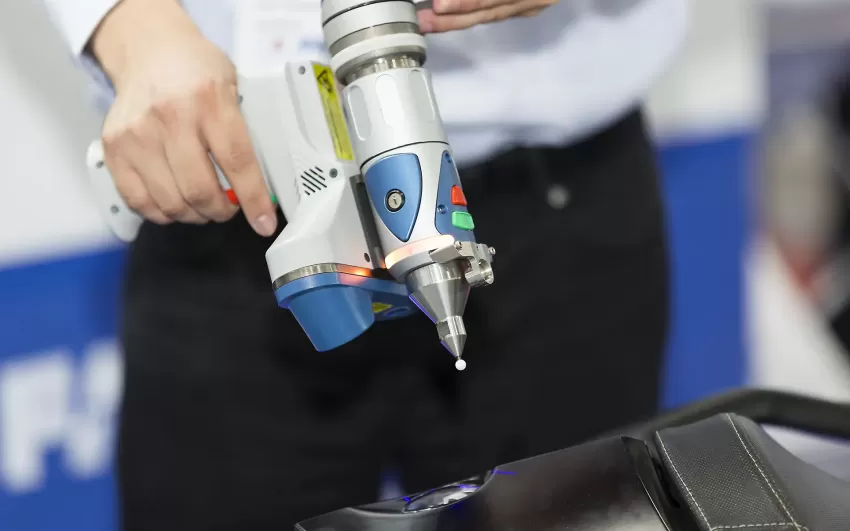
or manufacturing processes such as CNC machining or 3D printing, watertight and geometrically consistent data is essential. While raw scan data can sometimes be used directly for additive manufacturing, most engineering applications require CAD reconstruction (reverse engineering) to ensure accuracy, surface quality, and full control over dimensions and tolerances.
In this workflow, 3D scan data is used as a reference to rebuild the component as a clean, parametric CAD model, making it suitable for production, modification, and integration into assemblies.
Key Principle
-
3D scanning and reverse engineering are closely linked processes:
- 3D scanning captures the physical geometry
- Reverse engineering interprets and reconstructs it into usable CAD
In other words, 3D scanning is the starting point, while reverse engineering transforms data into engineering value.
Services Included
- STEP/IGES Conversion from 3D Scan data
- Exporting to Parasolid
- Exporting to CATIA
- Support via email
3D Scan to CAD
Open vs Watertight 3D Scan Data
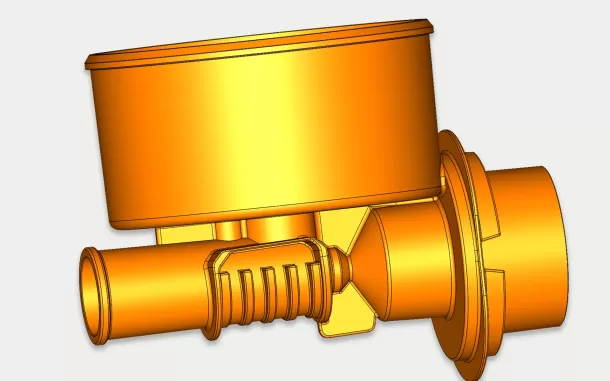
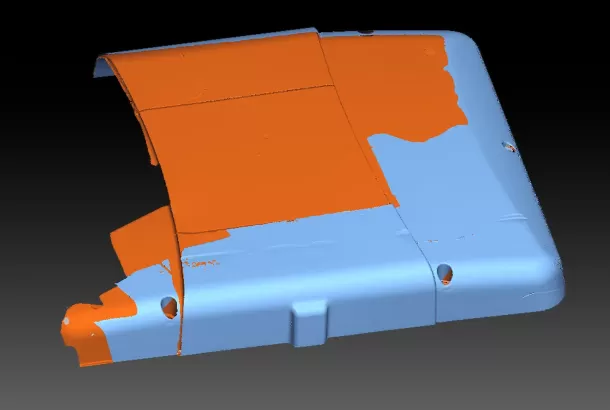
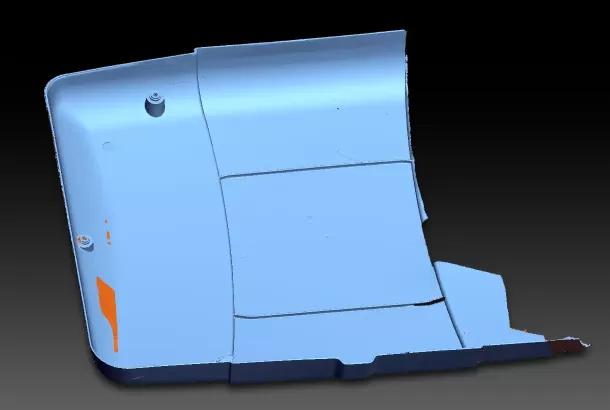
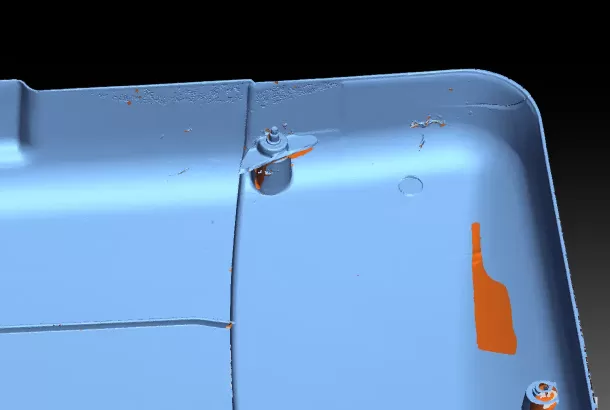
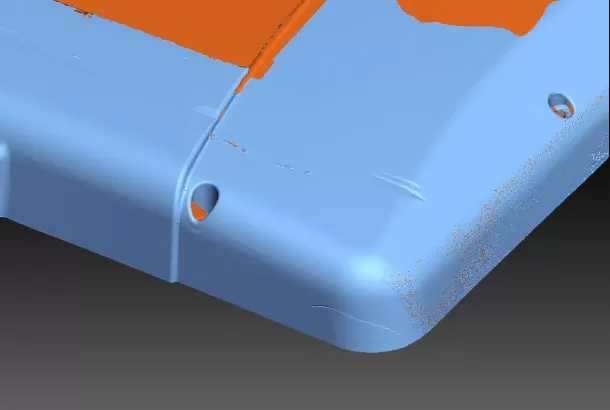
3D scan data can be classified as either open or watertight, depending on how completely the geometry of the physical object is captured. A watertight mesh represents a fully closed surface, where all areas of the object have been successfully digitised. However, components with hidden features, deep cavities, or undercuts may not be fully accessible during scanning, resulting in open meshes with missing data. We’re able to re-design CAD parts both from watertight or partial 3D scans.