Heritage & Art
3D Services for Heritage & Art
We provide 3D scanning and digital reconstruction services for cultural heritage, fine art, and historical artefacts, supporting museums, conservators, рестorers, and institutions in preservation and documentation workflows.
Using advanced non-contact 3D scanning technologies, delicate and valuable objects can be digitised safely without risk of damage, while preserving full geometric and surface detail.
These digital models are used for conservation records, restoration planning, archival documentation and digital preservation.
From small artefacts to large-scale sculptures and architectural elements, our workflow delivers accurate, measurable and conservation-ready digital assets.
Onsite 3D Scanning & Studio Services
We offer flexible 3D digitisation services both on-site, ideal for immovable or sensitive objects, and at our workshop in Dartford for transportable items.
Typical objects we work with include:
- Small and large sculptures
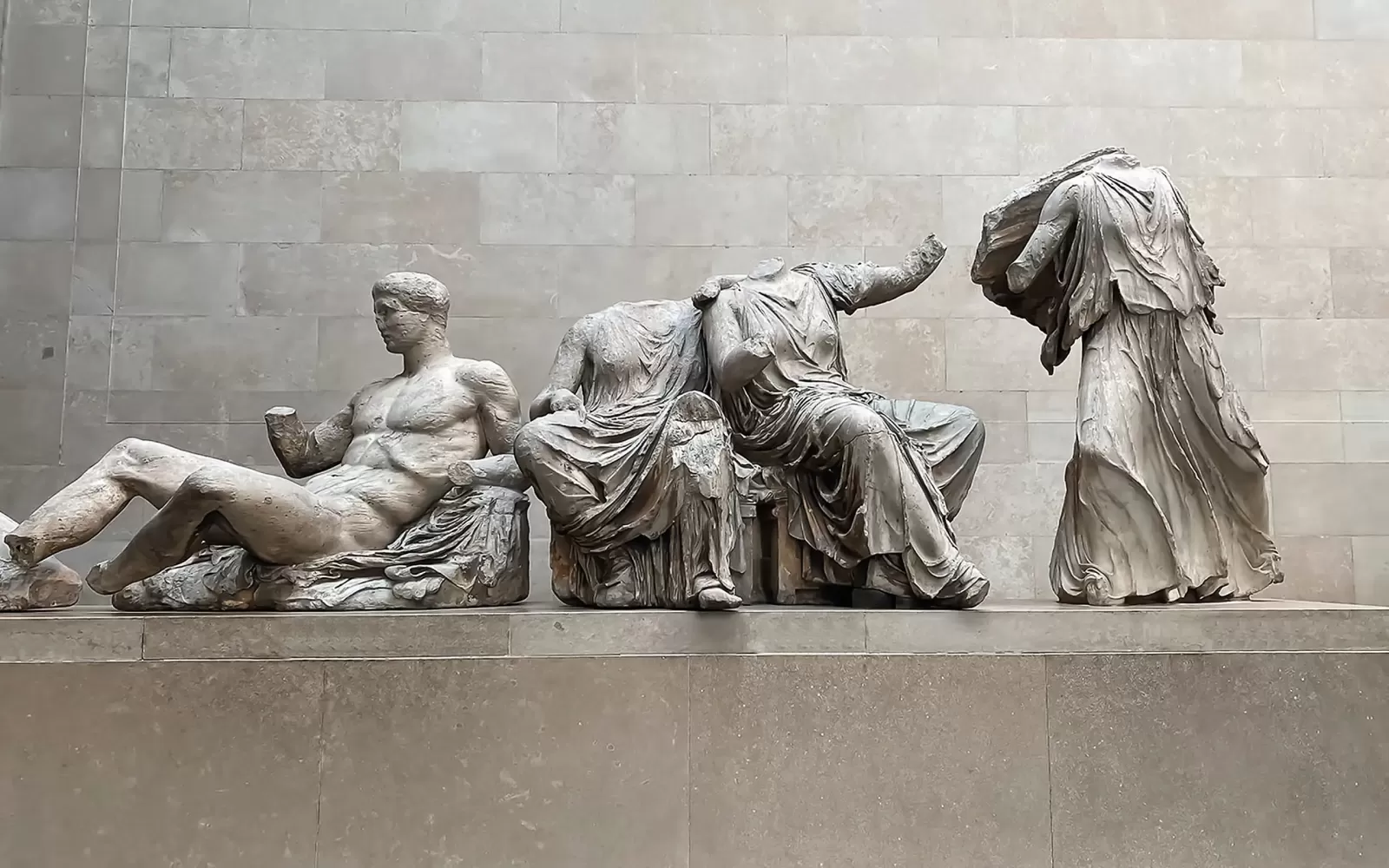
- Bas-reliefs and high-reliefs
- Architectural elements (capitals, bases, columns)
- Archaeological artefacts
- Bones and prehistoric fossils
- Stones, minerals, and carved rock elements
- Engravings and decorative surfaces
Our approach ensures accurate geometry capture, high-fidelity mesh processing, and optional texture mapping for museum-grade digital preservation.
Engineering Services for Heritage & Conservation
Digital engineering workflows for cultural heritage, conservation, and restoration projects. Physical artefacts can be transformed into structured digital assets through integrated processes involving 3D acquisition, geometry reconstruction, digital restoration, reverse engineering, rendering, and online 3D cataloguing, supporting documentation, research, preservation, reproduction, and public accessibility.
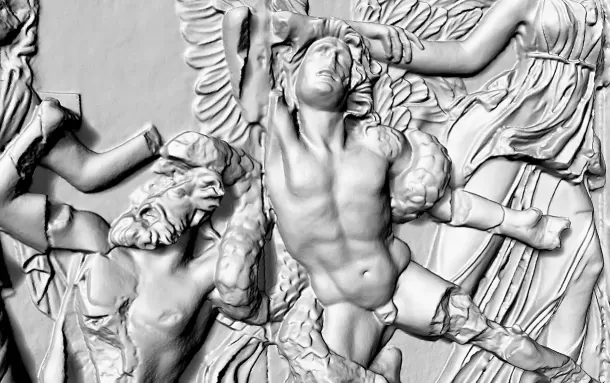
3D Digital Capture of Bas-Reliefs
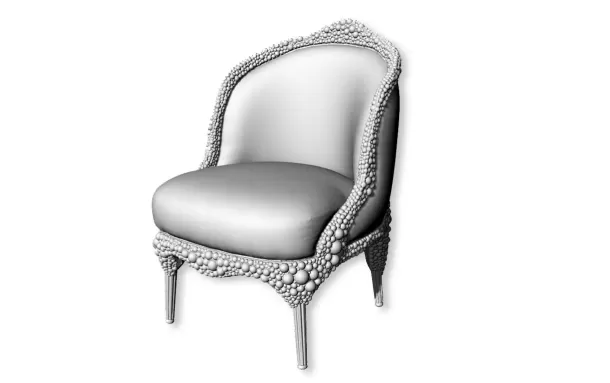
Rococo Chair Digital Reconstruction
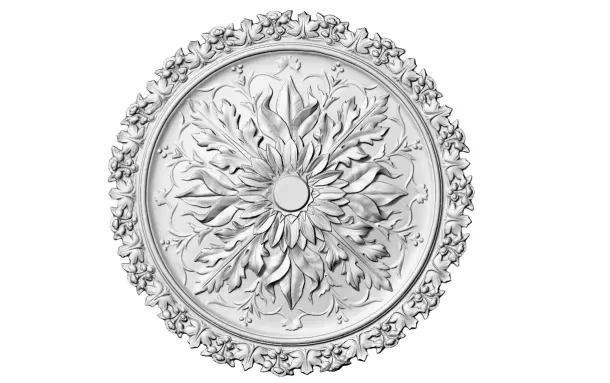
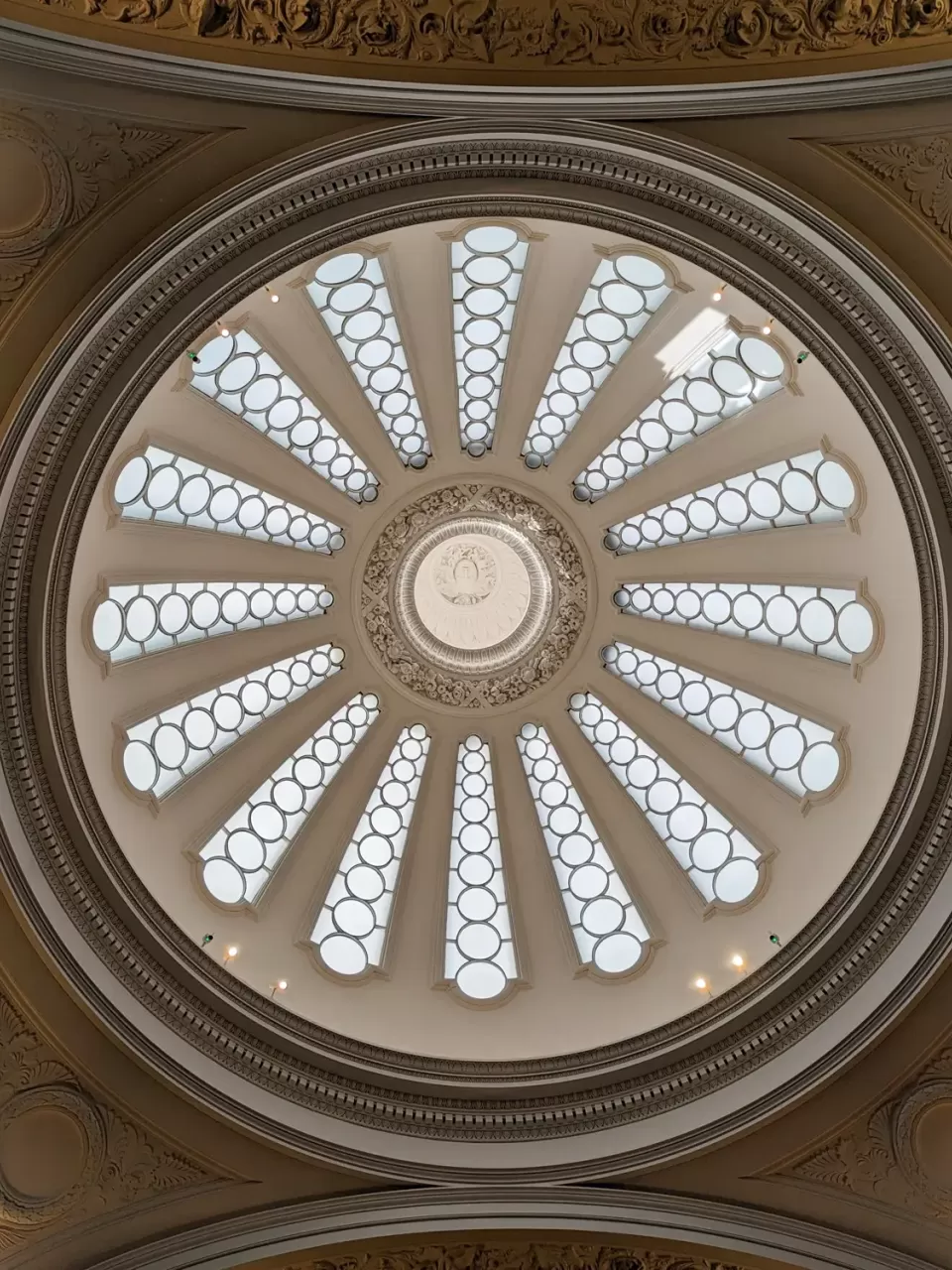
Ceiling Rose 3D Digitisation
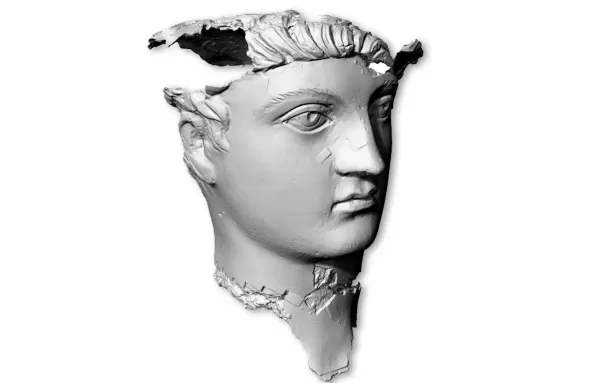
Roman Bronze Head 3D Digitisation
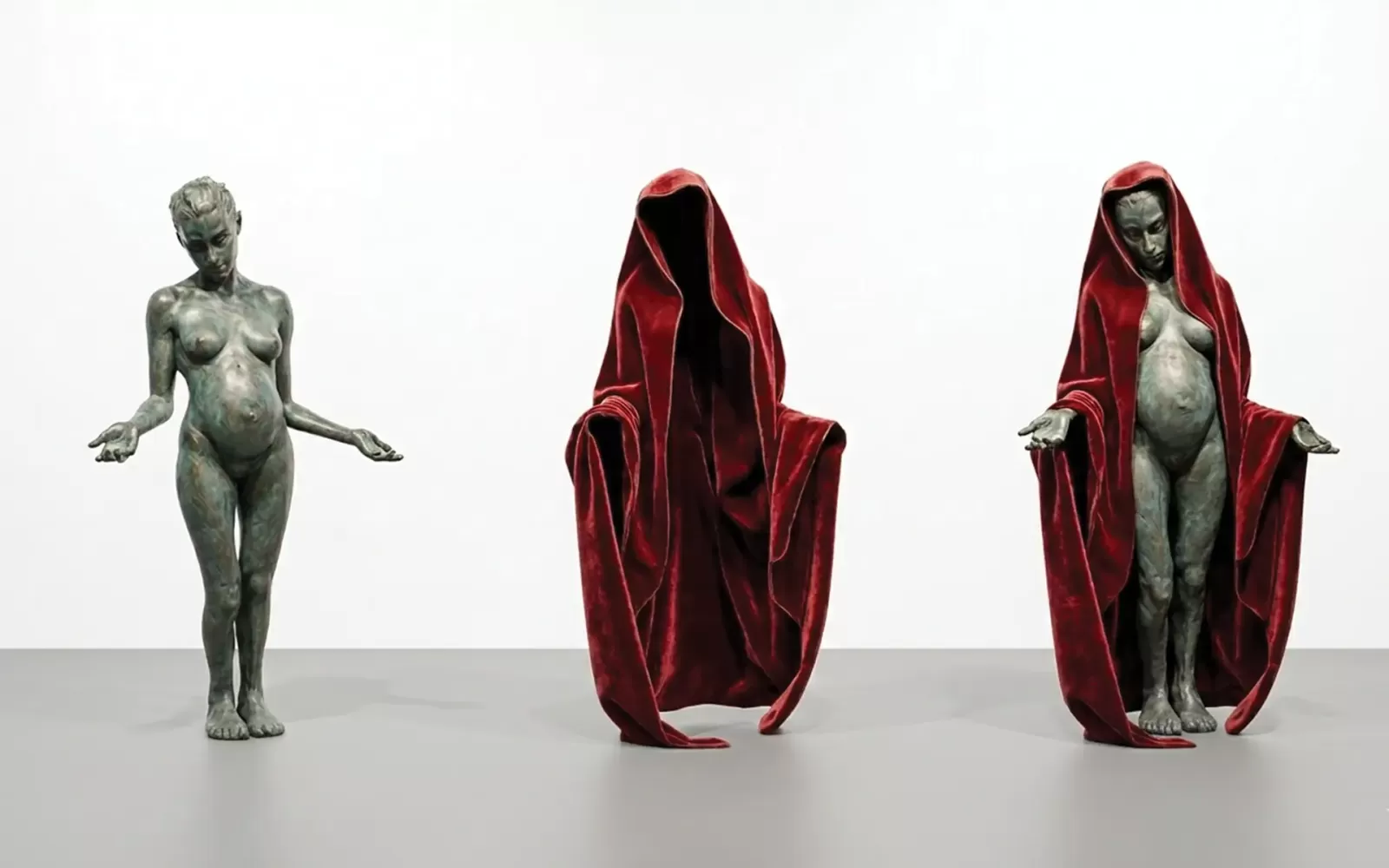
In this photo rendering, three separate figures are shown: the complete 3D model of the woman on the left, the draped fabric in the centre, and the merged result on the right. 3D scanning was only the first step of the process. Using specialised editing software, the scan data was cleaned, optimised, and converted into watertight geometry suitable for 3D printing and for producing the final mould. The sculpture is part of a series of works created by the artist Kate Viner.